Rapid design team
A structured approach to turn ideas into validated product concepts in short cycles
The frustration from business
How do you actually take ideas across the organization and turn them into products that can be tested and evolved? Many organizations struggle because their product teams are optimized for delivery and focused on the day to day execution of a specific product.
While these teams have deep expertise in their areas, they often struggle to shift to faster environments that require a more experimental and rapid approach. Identifying this gap was the first step in convincing the organization to invest in a new way to solve the problem.
The right people with the right mindset was essential to secure success. So that is why we build a unique team for the task.
A specialized team for rapid results
The Rapid Design Team was built as a focused unit designed to move quickly from idea to solution.
Its members had strong design focus, service design, product thinking, and technical awareness to drive a collaborative process that lead to results. These could be either tested with users or given to stakeholders for further business decision making, all in a short time.
Working within constraints and under pressure was part of the model, requiring clear roles, strong collaboration, and a shared mindset around speed and execution.
Clarity and accountability as pillars
Speed in projects only works well if we have clarity.
Each project required clear alignment on what problem was being solved, why it mattered, and what success looked like. Roles and responsibilities were defined early to avoid confusion and maintain momentum.
Strong documentation was one of the drivers for success, with shared responsibilities between the team and stakeholders on the agreements made.
This core mantra ensured that fast work remained focused and meaningful.
A process to bring stakeholders together
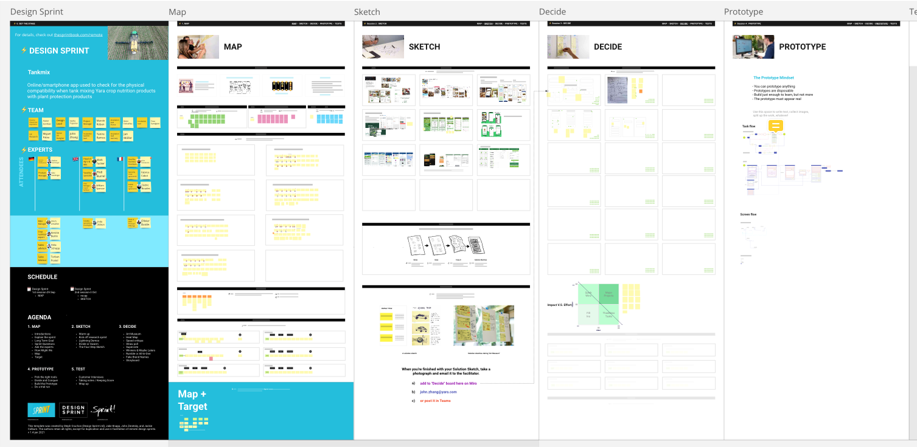
The working methodology process of the Rapid Design Team was built around design sprint and workshop sessions with the project stakeholders.
The intense schedule had clear key moments for input and collaboration from stakeholders and for registering their feedback on the progress done.
A constrained and time boxed agreement ensured each session mattered and provided a clear timeline and accountability of what was expected from everyone involved at each stage.
A successful story of speed and impact
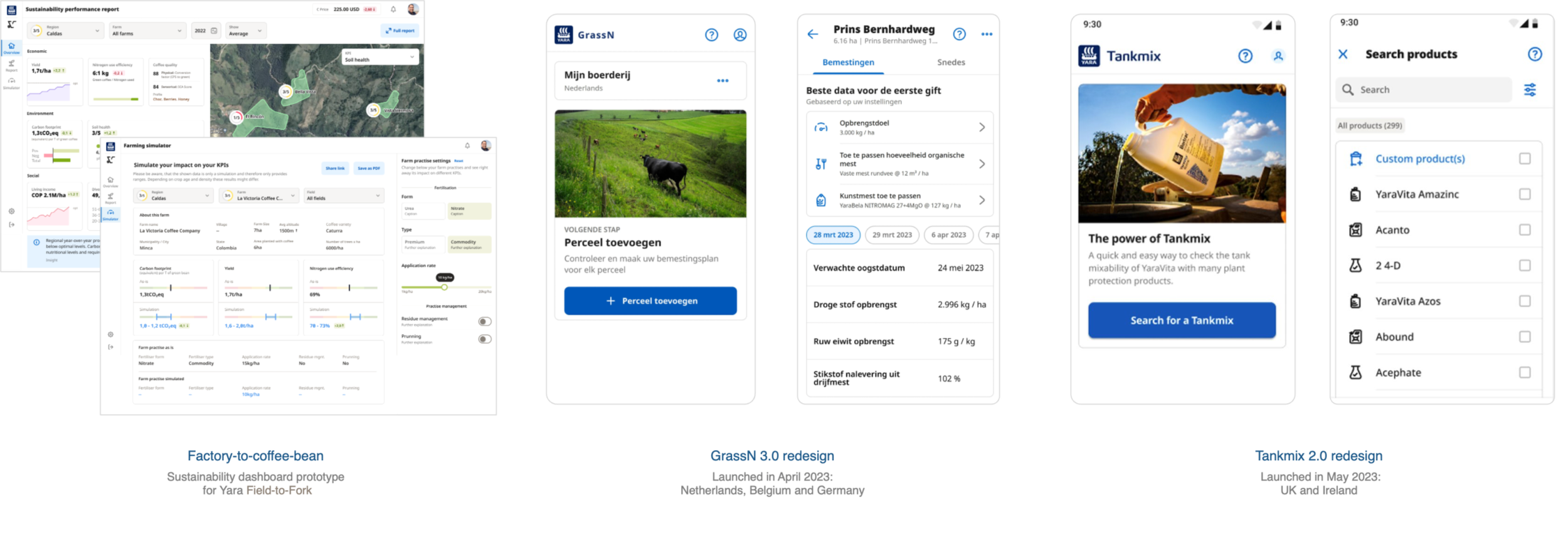
Over time, the team helped deliver multiple product concepts that moved from idea to validated direction.
It enabled teams that were previously stuck in early stages to progress, creating real momentum and impact across projects.
The team evolved to have also development capabilities to be able to provide end to end services for internal projects.