Integrating AI into UX processes
A strategic and documented methodology for integrating generative AI into professional UX workflows.
Figma Make as a sprint tool
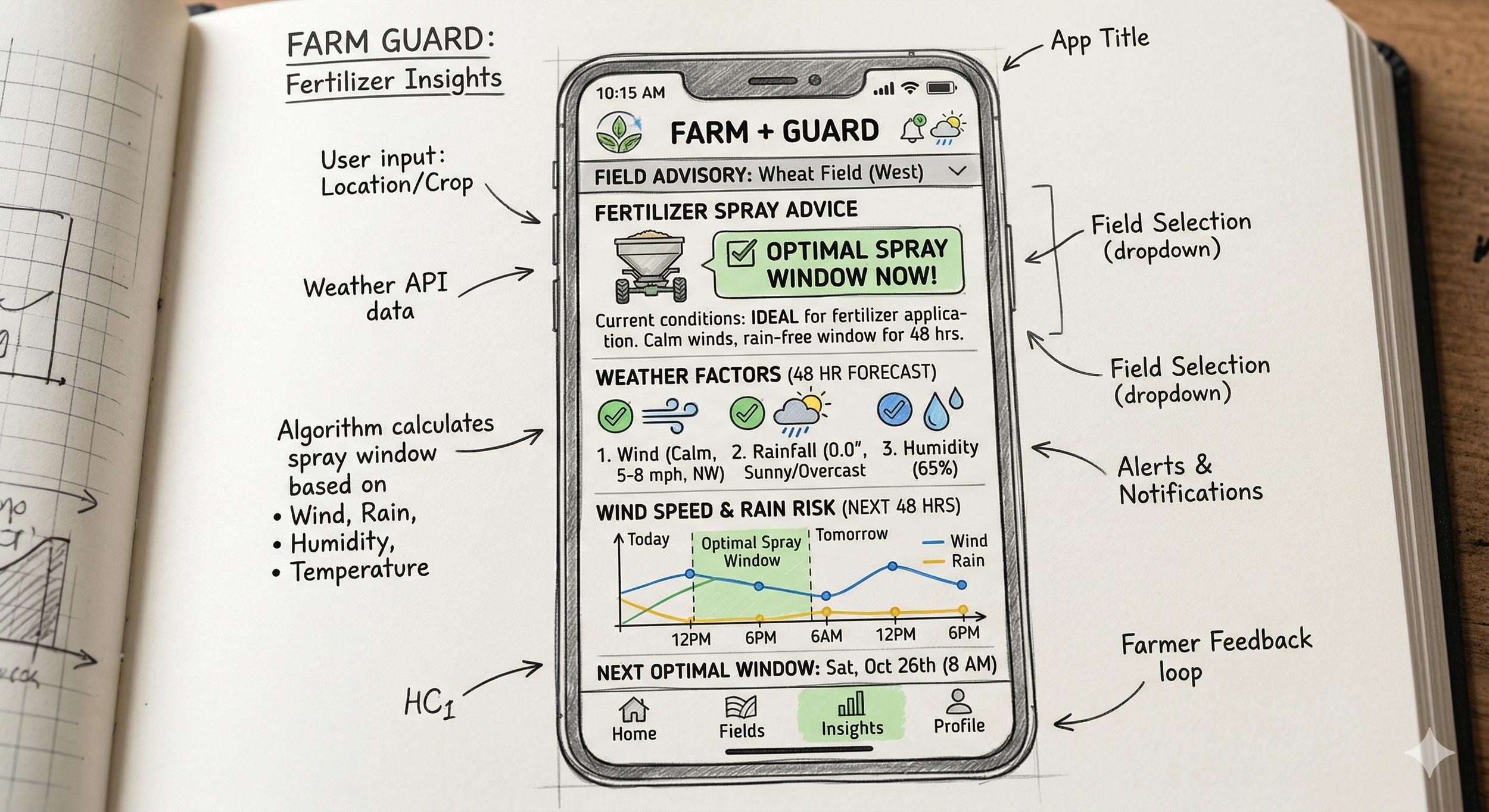
We explored how to use Figma Make as a way to improve workshop sessions and speed how participant ideas could be captured and visualized instantly. By introducing this tool into sprint design workshops, we shifted the focus from manual sketches to a collaborative discovery process using digital AI help.
The tool allowed for rapid visualization that helped stakeholders feel their input was being accurately represented in the room. This speed turned static meetings into faster iterative sessions, making it easier for the group to align on a direction and decide which concepts to follow further.
Figma Make as a data-hungry prototype maker
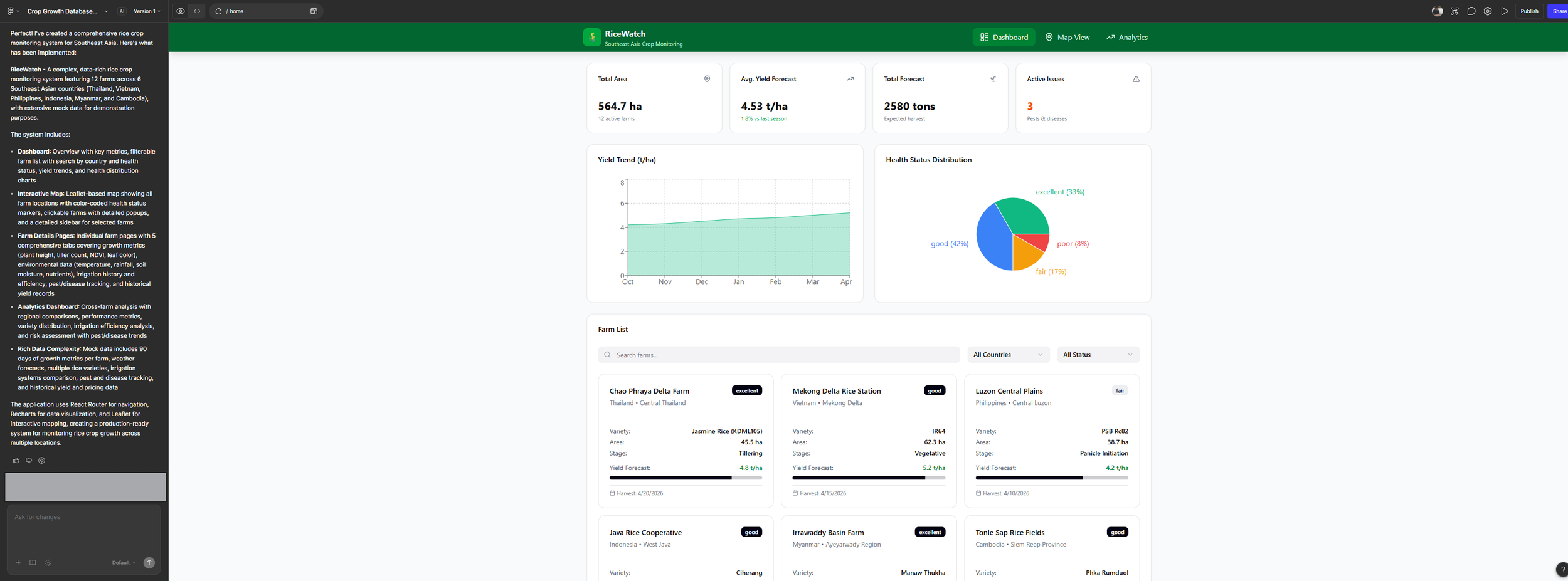
One of the biggest challenges with prototypes has always been representing and populating realistic data sets. This is an intensive task for designers, and for professional tools, making business decisions without proper data often leads to derailed discussions and a lack of context.
We found that Figma Make was extremely effective at populating prototypes and concepts with validated real data, even allowing for dynamic interaction.
The end result was a much better way to test with better context while reducing the time it takes to build prototypes in complex cases. By ensuring the data was realistic, we moved away from generic placeholders and allowed stakeholders and users to focus on the actual usage scenarios.
A clear case of where AI has a clear advantage of use.
Building user stories with Gemini Nano Banana
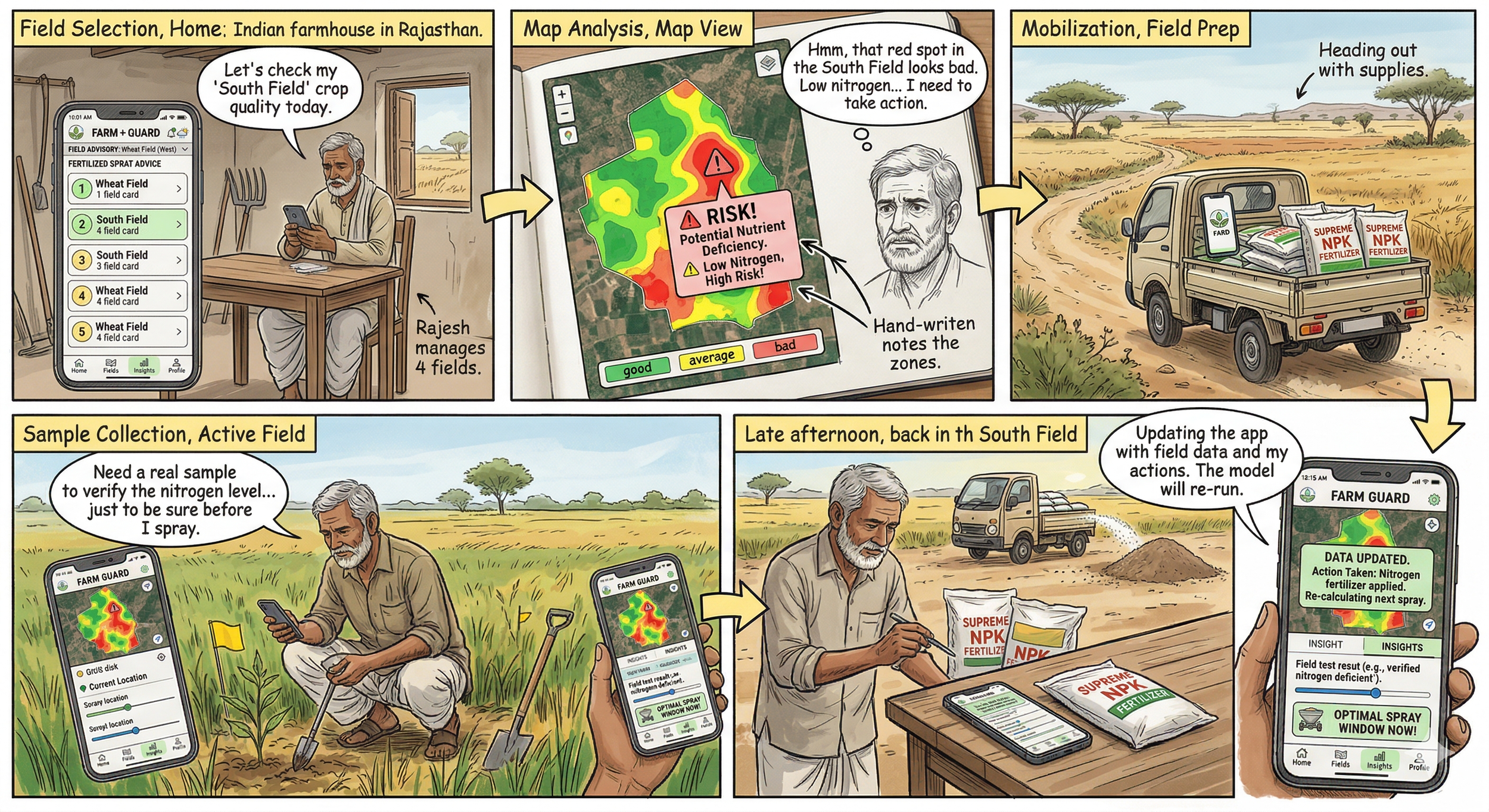
We identified a specific strength in using Gemini Nano banana to generate user stories and storytelling vignettes. These small visual narratives became a powerful way to showcase interaction models and user journeys in a highly accessible format. By building structured, visual showcases of a journey, we helped key stakeholders understand pain points and opportunities with much more clarity than traditional documentation allowed.
This process made it possible to create multiple outcomes to demonstrate the direct impact of a new feature on the end user.
Consistently producing these visual artifacts opened new ways of presenting user insights for the business to make informed decisions. While the tool provided the initial structure and speed, the true value came from our iteration and validation, ensuring every story was accurate. It was about storytelling that drove decision making, not just automated text generation.
User agents for UX research
One of the most promising areas we explored was the development of personas as AI agents. We built these agents to interact with our prototypes and concept screens, allowing them to provide feedback and perform tasks so we could measure their success rates.
Our early work showed that these agents effectively represent end user behavior and are highly useful for providing quick feedback loops on how the work is progressing.
While this is not a replacement for human testing, it is a powerful tool to get constant feedback and eliminate the first layer of friction when building products.
By using agents to identify early problems, we ensure that our research with real people can focus on uncovering deeper insights and complex emotional responses rather than basic usability errors.