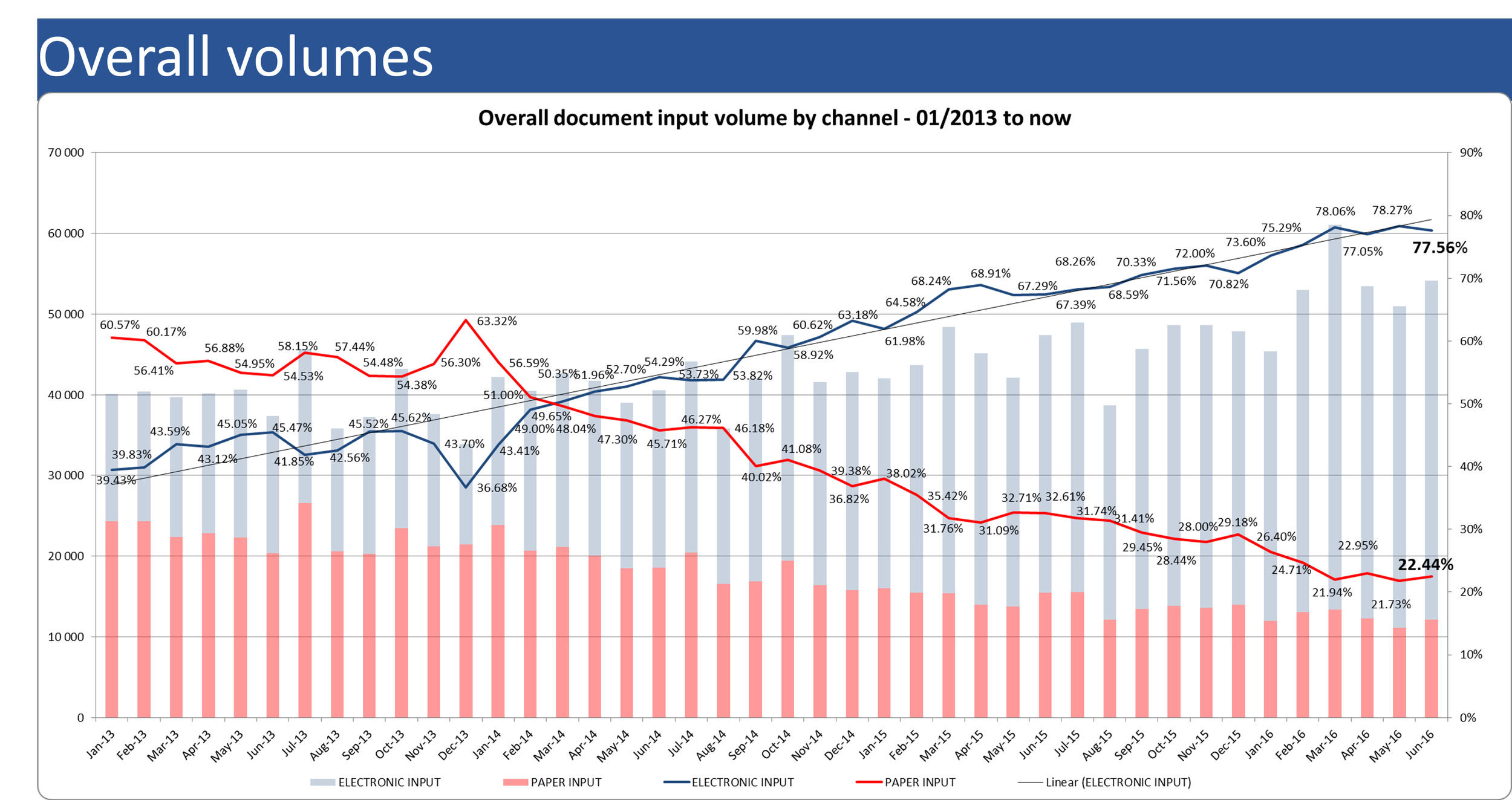
European trademark and design IP agency new website
Moving from a paper-driven system to a digital platform that users trust and adopt
The challenge of moving users to digital
This project was not simply about redesigning a website. It was about changing how users interacted with a well-established public institution.
For years, many users had relied on paper based processes and familiar offline ways of working. Moving them to digital channels meant more than introducing new tools. It required building trust, reducing friction, and creating an experience that felt clear, reliable, and worth adopting.
Through research and close collaboration with users and stakeholders, we built a detailed understanding of behaviours, expectations, and working contexts. This helped us define a solution that responded to real needs rather than technical assumptions, creating the foundation for long term digital adoption.
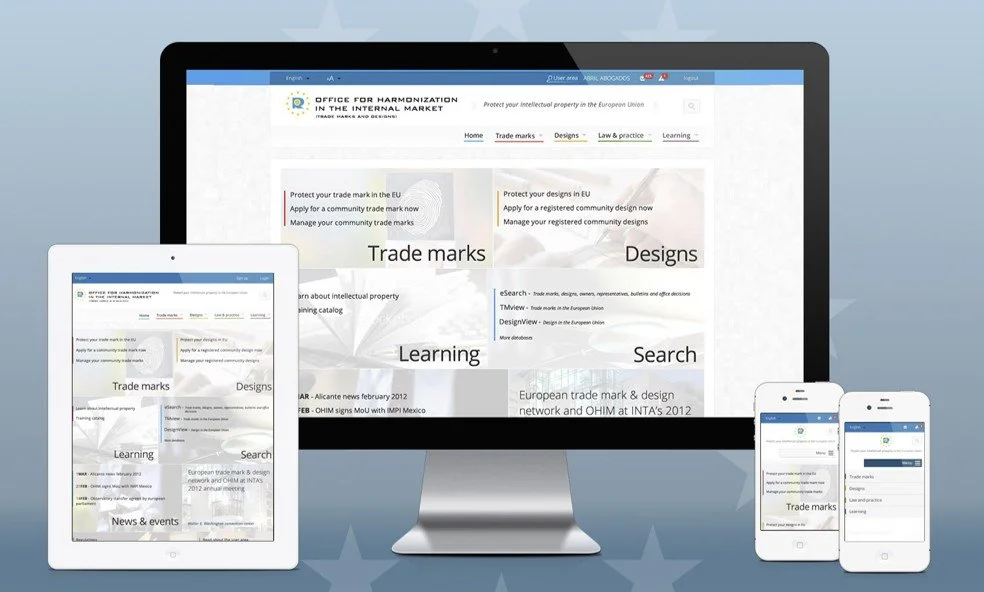
Designing for trust, control, and adoption
One of the strongest insights from the user conversations was the need to feel in control before they were willing to change how they worked.
The solution was shaped around clarity, ownership, and confidence. We focused on helping users understand their options, manage their information, and move through complex tasks with a stronger sense of control over decisions and data.
Users were involved throughout the process, and their input directly shaped how the platform worked. Rather than forcing a digital model onto existing behaviours, we designed an experience that made the benefits of digital interaction tangible and easier to embrace.
This sense of control became a key driver of trust, and trust became a key driver of adoption.
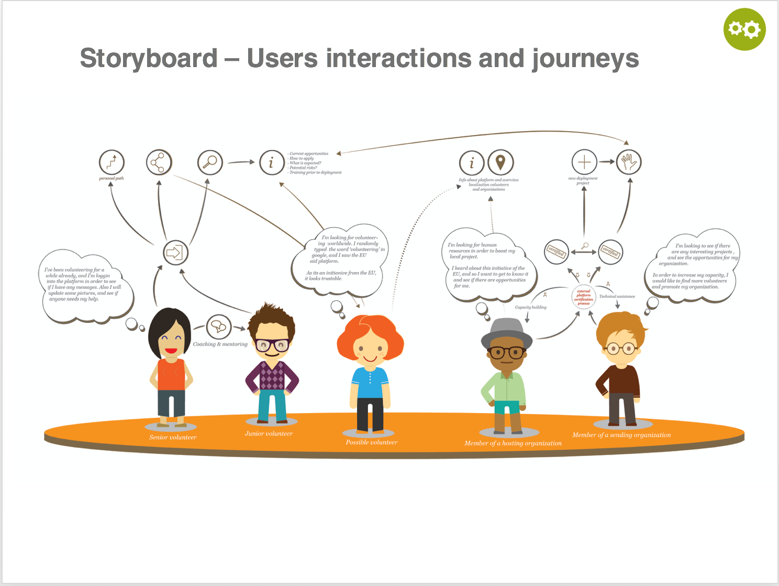
A balanced agile project
The success of the project depended not only on strong UX in the conceptualization phase, but on how that work was led and translated into delivery.
The work was run in an agile and iterative way, which allowed the team to respond to constraints, refine decisions as the project evolved, and keep design and development moving together.
This cross functional alignment was essential in a complex institutional environment, where digital transformation required both organisational confidence and delivery discipline.
Results of a good UX process
Digital interaction became the primary way many users engaged with the agency. The project showed how a structured UX approach, grounded in research and supported by cross functional collaboration with all the other disciplines, can help transform complex public services into digital experiences that people trust and use.